Stove Repair in San Francisco, CA
A stove problem usually begins as a cooking inconsistency rather than a complete appliance failure. A burner takes longer to react, heat becomes difficult to control, or cookware develops uneven hot spots during everyday meals. In San Francisco homes, where kitchens often experience repeated daily use within compact cooking spaces, these changes become noticeable quickly. Stove repair in San Francisco, CA, should focus on how burners respond, how heat is maintained, and how cooking stability changes over time so the appliance can return to controlled, predictable performance instead of fluctuating behavior.
Why Burner Instability Gradually Causes Cooking Problems
Stoves operate through repeated heat cycles that depend on stable ignition, controlled temperature response, and balanced heat transfer. Small inconsistencies inside those systems often appear as minor cooking frustrations long before complete failure develops. A burner that heats unevenly may indicate shifting flame control or electrical instability. A delayed response from an electric surface may signal weakening internal resistance or temperature regulation drift.
- Burner Response Controls Cooking Consistency Across Meals
- Flame Stability Influences Heat Accuracy During Cooking
- Electrical Flow Supports Predictable Surface Heating
- Temperature Retention Affects Ongoing Cooking Control
- Ignition Timing Impacts Burner Reliability Under Repeated Use
- Surface Heat Balance Reduces Uneven Pan Temperatures
- Early Troubleshooting Prevents Larger Burner Failures
Over time, repeated cooking cycles amplify these small inconsistencies. What begins as slightly uneven heating can gradually affect cooking timing, food texture, and overall appliance reliability during everyday kitchen use.
Experience With Cooking Patterns Inside San Francisco Kitchens
Cooking appliances respond differently depending on how the kitchen is used and how the surrounding space handles heat. Apartment kitchens with closely spaced burners may trap more heat around the cooking surface, while older homes with aging gas or electrical systems may create inconsistent burner response under repeated use.
L&M Appliance Repair LLC approaches stove troubleshooting in San Francisco by observing how the appliance behaves during actual cooking conditions instead of relying only on visible failure symptoms. Heat response, ignition timing, burner cycling, and temperature retention are evaluated together to understand how the stove performs during daily meal preparation.
- Heat Response Review: Burner reaction and heat spread are evaluated during active cooking use.
- Ignition Pattern Analysis: Gas ignition timing and burner stability are tested repeatedly.
- Temperature Stability Check: Heat retention and control responsiveness are reviewed together.
- Repair Direction: Solutions focus on restoring predictable cooking behavior across daily use.
Stove Repair Services Focused On Cooking Appliances Stability
Reliable stove repair in San Francisco commercial properties requires more than restoring basic heat. Stoves depend on balanced burner performance, stable temperature regulation, proper ignition timing, and consistent surface heating. Repairing only the visible symptom often leaves underlying cooking instability unresolved.
Stove Burner Repair And Heat Stability
Burners that create uneven heating or fluctuating flame behavior often indicate deeper burner wear or heat regulation imbalance. These issues affect pan temperature consistency and cooking timing during repeated use. Repair restores steadier burner response and more balanced cooking performance.
Gas Stove Ignition And Flame Response Repair
Gas stoves rely on fast, controlled ignition and stable flame distribution. Delayed clicking, uneven flames, or inconsistent ignition often develop from ignition wear, buildup, or gas flow instability. Repair improves burner response and restores smoother cooking control.
Electric Stove Surface Heating Repair
Electric surfaces depend on stable electrical resistance and consistent heat transfer. Worn elements or unstable electrical flow can create delayed heating or uneven cooking surfaces. Repair helps restore more predictable heat behavior across cooking sessions.
Stove Temperature Regulation And Control Repair
Cooking performance depends on how accurately the stove maintains heat levels during different settings. When temperature regulation drifts, burners cycle inconsistently, and cooking results become unpredictable. Repair restores steadier heat retention and improved control response.
Hidden Stove Issues That Quietly Affect Daily Cooking
Some stove issues appear minor because the appliance still heats, but the underlying imbalance continues affecting cooking behavior. These hidden conditions often become more noticeable in compact kitchens or heavily used cooking environments where burners experience repeated heat cycles every day.
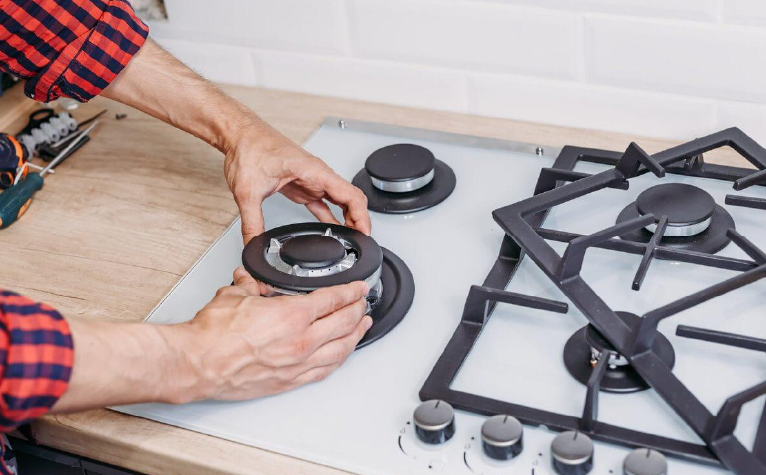
Burner Alignment And Surface Contact Problems
Improper burner alignment or unstable surface contact affects how heat transfers into cookware. Over time, this creates uneven heating patterns that become more noticeable during longer cooking sessions.
Gas Flow And Electrical Stability Changes
Aging gas connections or inconsistent electrical flow can interrupt stable burner performance. The stove may function normally during light use but become inconsistent during repeated cooking cycles.
Heat Retention And Airflow Imbalance
Restricted airflow around the stove surface can trap heat and affect burner temperature regulation. Compact kitchens often intensify this issue during high-heat cooking or multi-burner use.
Ignition Wear And Repeated Cycling Stress
Repeated ignition cycles gradually wear down ignition systems and burner controls. These small delays or inconsistencies often worsen slowly before becoming major cooking disruptions.
Variable Brands Performance For Stoves
GE stoves often reveal performance decline through inconsistent burner cycling and uneven surface response during extended cooking. Bosch cooking systems are sensitive to heat retention and airflow conditions, especially in tighter kitchen layouts. Frigidaire stoves commonly develop burner responsiveness issues tied to repeated high-heat use, while KitchenAid systems may show gradual temperature regulation drift that affects cooking precision over time. Each system reacts differently to repeated heating cycles, burner load, and daily cooking habits.
What Changes After Full Stove Repair
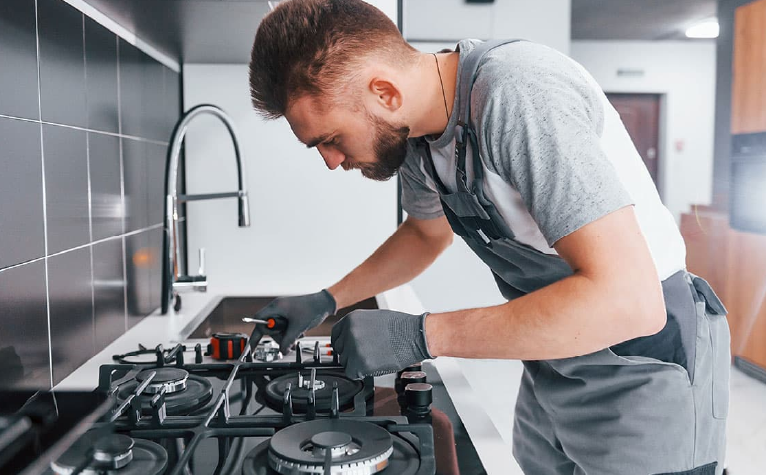
A complete repair should improve how the stove behaves during real cooking situations, not just restore basic burner operation. Burners should respond more consistently, cookware should heat more evenly, and temperature changes should feel more controlled during repeated use. In San Francisco kitchens where cooking spaces are frequently compact and heavily used, these improvements matter because small burner inconsistencies quickly affect cooking timing and meal preparation. Stove repair in San Francisco, CA, helps restore balanced kitchen performance by correcting the underlying burner and heat-control behavior behind uneven cooking results.








Frequently Asked Questions
Uneven heating often develops when burner alignment, flame spread, or internal heat transfer becomes inconsistent. The burner may still produce heat, but the cooking surface no longer distributes that heat evenly across the cookware.
Longer ignition clicking usually points toward ignition wear, burner buildup, or unstable gas flow around the burner assembly. These conditions slow down ignition timing and gradually make burner response less reliable during repeated cooking use.
Different burners experience wear differently depending on usage frequency and heat load. A burner used repeatedly at high heat may develop flame imbalance or temperature inconsistency sooner than less frequently used surfaces.
Heat buildup around the control area can happen when airflow around the cooking surface becomes restricted, or burners generate uneven heat patterns. Compact kitchen layouts can intensify this effect during longer cooking sessions.
Repeated high-heat cooking places continuous stress on burners, ignition systems, and temperature controls. Small inconsistencies that seem minor during light use often become much more noticeable under frequent cooking demand.
Maintenance becomes important when burners begin heating unevenly, ignition timing changes, or temperature control starts feeling inconsistent during normal cooking. Addressing these early signs helps reduce long-term burner and control-system strain.
Appliance Repair Coverage Across San Francisco Neighborhoods
L&M Appliance Repair LLC services homes, apartments, condos, and mixed-use properties throughout San Francisco, including coastal neighborhoods, downtown high-rises, historic districts, and compact urban residential environments.
Maintain Stable Systems For Everyday Cooking
Services
- Appliance Installation
- Kitchen Appliance Repair
- Refrigerator Repair
- Water Heater Repair
- Dishwasher Repair
- Washer & Dryer Repair
- Electric & Gas Range Repair
- Stove Repair & Maintenance
- Built-In Refrigerator Repair
- Cooktop Repair & Maintenance
- Ice Machine Repair
- Wine Cooler Repair
- Trash Compactor Repair
- Garbage Disposal Repair
- Commercial Appliance Repair
- Commercial Refrigeration Repair
- Commercial Ice Machine Repair
- Commercial Cooking Equipment Repair
- Commercial Washer & Dryer Repair
- Commercial Dishwasher Repair

Call Us Now!
Timings:
- SUNDAY to FRIDAY: 8 AM to 8 PM
- SATURDAY: CLOSED