Commercial Ice Machine Repair in San Francisco, CA
Commercial ice machines rarely stop producing ice without warning. Production begins slowing during busy hours, cube consistency changes between cycles, or the system struggles to recover after heavy demand periods. In San Francisco businesses where bars, restaurants, cafés, and hospitality operations depend on continuous ice output throughout service hours, these changes quickly disrupt workflow. Commercial ice machine repair in San Francisco, CA, should focus on how water flow, freeze timing, harvest cycles, and production recovery interact so the system maintains stable output instead of falling behind during peak demand.
Why Commercial Ice Systems Usually Fall Behind Gradually
Commercial ice machines operate through repeated freezing and harvest cycles with very little downtime between production runs. During heavy service periods, the system constantly balances water intake, freezing temperature, airflow, and release timing to maintain output consistency. A machine may continue making ice while quietly losing production efficiency underneath. Freeze cycles become slightly longer, harvest timing drifts, or cube formation becomes inconsistent during heavier operational demand. These small imbalances often appear before the business notices major output loss.
- Freeze Timing Controls Overall Production Speed
- Water Intake Stability Affects Cube Consistency
- Harvest Cycles Influence Recovery Between Batches
- Airflow Balance Supports Efficient Freezing Performance
- Temperature Stability Maintains Reliable Ice Density
- Production Recovery Impacts Peak Service Readiness
- Early Diagnostics Reduce Repeat Output Disruptions
In San Francisco restaurants and hospitality environments where ice demand remains constant throughout the day, these small production changes become operational problems quickly because the system has little room for recovery under peak load.
Our Experience With Fixing Ice Production Machines
Commercial ice machines respond differently depending on workload patterns and environmental conditions. Bar operations near Union Square may experience aggressive production demand during evening service, while café setups in Mission Bay often rely on continuous daytime recovery cycles. Compact back-of-house layouts in SoMa frequently place ice systems near other heat-producing equipment, increasing production strain throughout active service hours.
L&M Appliance Repair LLC approaches commercial ice machine troubleshooting in San Francisco by evaluating how systems behave during real production demand rather than focusing only on visible output loss. Freeze timing, water movement, harvest sequencing, and recovery behavior are reviewed together to understand how the system performs during continuous operation.
- Production Review: Ice output consistency and freeze timing are evaluated during active demand.
- Water Flow Analysis: Intake stability and distribution behavior are reviewed carefully.
- Harvest Cycle Check: Ice release timing and recovery sequencing are tested together.
- Repair Direction: Solutions focus on restoring stable production behavior under peak workload.
Commercial Ice Machine Repair Services Just A Call Away
Commercial ice machine service in San Francisco, CA, requires more than temporarily increasing output. Ice production systems depend on balanced freeze timing, stable water flow, reliable harvest cycles, and controlled recovery under repeated operational demand.
Commercial Ice Maker Production Recovery Repair
Commercial ice makers must recover quickly after high-demand periods to maintain steady output throughout service hours. When recovery slows, production gaps appear, and staff begin compensating operationally. Repair restores more stable output recovery and steadier batch consistency.
Commercial Ice Machine Water Flow Repair
Commercial ice machines rely on controlled water intake during each freeze cycle. Irregular flow affects cube size, production speed, and overall cycle stability. Repair restores smoother water distribution and more predictable ice formation behavior.
Freeze Cycle And Temperature Stability Repair
Ice quality depends heavily on balanced freezing temperatures and consistent cycle timing. When freeze cycles drift or temperatures fluctuate, output becomes inconsistent during heavier use. Repair restores more stable freezing behavior and steadier production timing.
Harvest Timing And Release System Repair
The harvest cycle controls how efficiently ice is released before the next production run begins. Delayed or uneven release reduces overall output capacity during busy service periods. Repair restores smoother release sequencing and faster recovery between cycles.
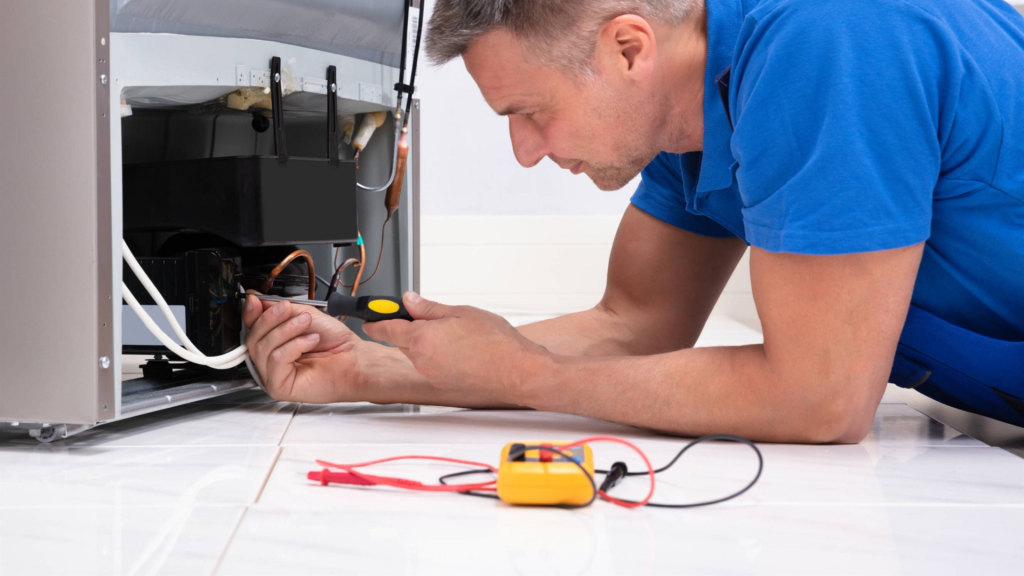
Hidden Commercial Ice Machine Issues That Quietly Reduce Output
Some commercial ice machine problems remain subtle because the system still produces ice, but internal balance gradually weakens during repeated demand cycles. These hidden conditions often become more noticeable during peak service periods where production speed matters most.
Heat Retention Around Production Systems
Compact commercial environments often trap heat around ice equipment during active operation. This gradually affects freeze-cycle efficiency and slows recovery between production runs.
Water Distribution Imbalance
Uneven water movement inside the system affects cube formation consistency and gradually reduces output quality across repeated cycles.
Freeze Drift During Heavy Demand
Repeated high-load production slowly affects cycle timing and freezing stability. The machine may continue operating while becoming less efficient during busier service periods.
Harvest Delay And Recovery Strain
When release timing slows down, the machine cannot transition smoothly into the next freeze cycle. This reduces total production capacity during high-demand hours.
Different Problems In Commercial Ice Machines
Manitowoc ice systems commonly reveal performance issues through slower harvest recovery and uneven cube formation during continuous demand periods. Scotsman machines are particularly sensitive to water-flow imbalance and freeze-cycle instability inside high-volume service environments. Hoshizaki systems often show a gradual production slowdown when airflow and heat-release conditions become restricted, while Ice-O-Matic equipment relies heavily on stable harvest sequencing and consistent freezing recovery to maintain output during repeated service cycles. Each ice machine system reacts differently to workload demand, environmental heat, and operational recovery pressure.
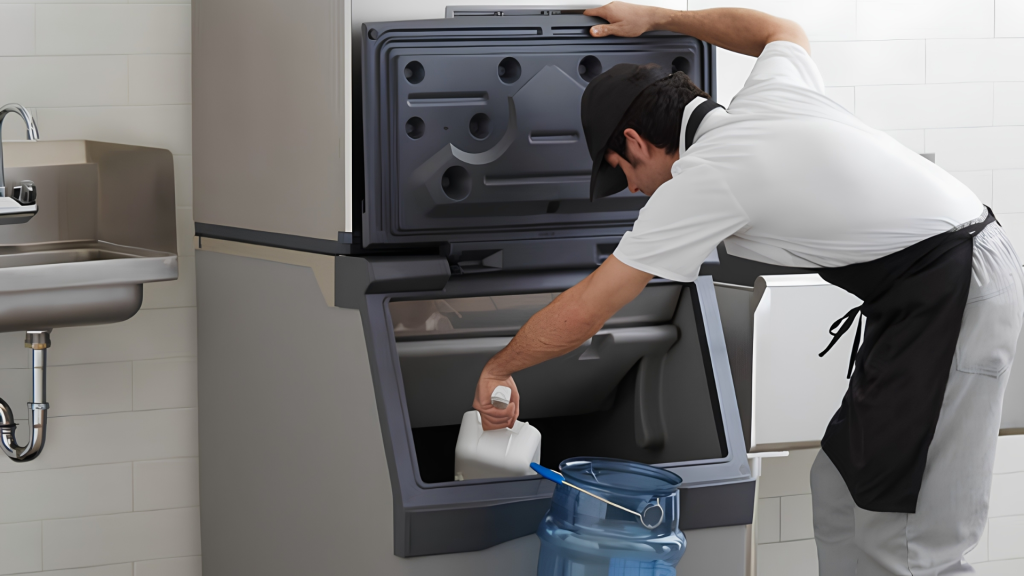
What Changes After A Detailed Commercial Ice Machine Repair
A complete repair should improve how the system behaves during sustained service demand, not simply restore temporary ice output. Freeze cycles should stabilize, recovery between batches should improve, and production should remain more consistent throughout busy operational periods. In San Francisco commercial environments where ice systems often run continuously inside compact kitchens and bar stations, these adjustments matter because small production instability quickly affects workflow and service timing. Commercial ice machine repair in San Francisco, CA, helps restore balanced production behavior by correcting the water flow, freeze-cycle, and harvest conditions behind repeated output slowdowns.








Frequently Asked Questions
This usually happens when the system loses recovery efficiency under continuous demand. During slower periods, the machine has enough time to rebalance temperatures and complete freeze cycles normally. Once peak service begins, hidden strain in airflow, freezing, or water flow becomes much more noticeable.
Cube inconsistency often appears when freeze timing or water distribution becomes unstable under heavier workload pressure. The machine still produces ice, but the freezing cycle no longer completes evenly across repeated production runs.
Longer production cycles and delayed harvest timing increase strain across fans, compressors, and moving components. The system works harder to maintain output during heavy service demand, making operational noise more noticeable later in the shift.
Most commercial systems compensate internally before complete failure occurs. Freeze cycles extend slightly, harvest timing slows down, or output consistency changes gradually as the machine struggles to maintain production under repeated operational load.
Ice machines release heat continuously during production cycles. In compact commercial kitchens where ventilation is limited and surrounding equipment generates additional heat, the system works harder to maintain stable freezing conditions.
Maintenance becomes important when recovery slows, cube quality changes, harvest timing drifts, or output becomes less consistent during busy periods. Addressing these early signs helps reduce operational disruption before a major production slowdown develops.
Appliance Repair Coverage Across San Francisco Neighborhoods
L&M Appliance Repair LLC services homes, apartments, condos, and mixed-use properties throughout San Francisco, including coastal neighborhoods, downtown high-rises, historic districts, and compact urban residential environments.
Keep Reliable Ice Production Smooth With L&M Appliance Repair
Services
- Appliance Installation
- Kitchen Appliance Repair
- Refrigerator Repair
- Water Heater Repair
- Dishwasher Repair
- Washer & Dryer Repair
- Electric & Gas Range Repair
- Stove Repair & Maintenance
- Built-In Refrigerator Repair
- Cooktop Repair & Maintenance
- Ice Machine Repair
- Wine Cooler Repair
- Trash Compactor Repair
- Garbage Disposal Repair
- Commercial Appliance Repair
- Commercial Refrigeration Repair
- Commercial Ice Machine Repair
- Commercial Cooking Equipment Repair
- Commercial Washer & Dryer Repair
- Commercial Dishwasher Repair

Call Us Now!
Timings:
- SUNDAY to FRIDAY: 8 AM to 8 PM
- SATURDAY: CLOSED